
The Historic Bowman Distillery Is for Sale: What It Means for Reston
There are plenty of “for sale” signs in Northern Virginia. Very few come with a storyline that starts before Reston even had a name.
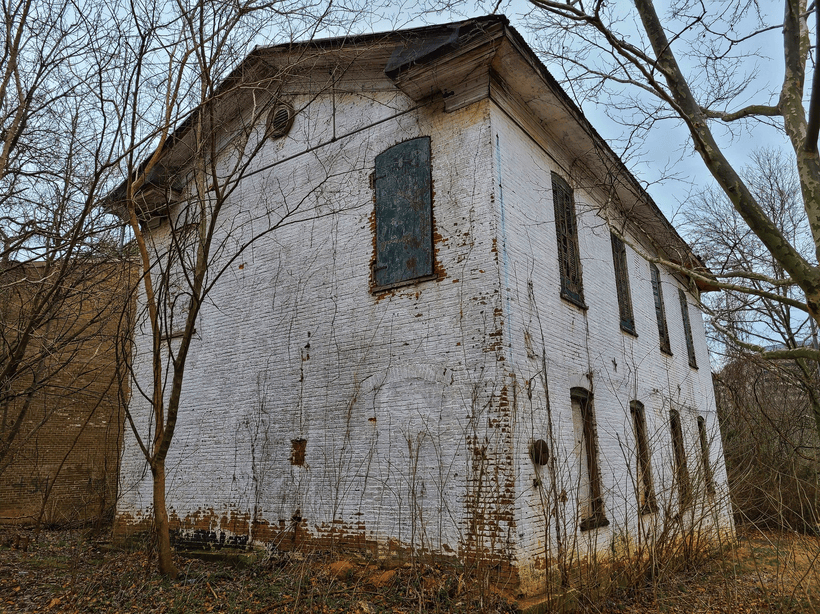
The historic building most people know as the Bowman Distillery, tucked just off Sunset Hills near Old Reston Avenue, began life in 1892 as the Wiehle Town Hall, the civic anchor of a planned community called Wiehle that existed decades before Robert E. Simon’s Reston. You can see the official overview on the Virginia Department of Historic Resources listing.
Now it’s for sale, which is exactly the kind of moment that gets neighbors talking because it raises a real question: what does thoughtful change look like when the thing being changed is part of the area’s origin story?
This post is a practical guide to the building and the context around it, without hype. We’ll walk through a clear history timeline, why “Wiehle” matters to modern Reston, what preservation often means in real life, and the kinds of uses that could make sense if a buyer wants to do something ambitious while respecting what makes this place special.
Where it is, in plain English
If you’ve ever driven along Sunset Hills Road or near Wiehle Avenue and noticed a brick building that feels older than everything around it, that’s the one. It’s commonly listed at 1875 Old Reston Avenue, and the easiest place to confirm the historic site details is the state register entry.
It sits in a part of Reston where you can feel the layers. Modern apartment clusters and office buildings nearby, mature trees, and then this brick structure that looks like it belongs to a different century. That contrast is a big part of why the sale is interesting.
The quick history, from Wiehle to whiskey
1) The Wiehle plan, long before Reston
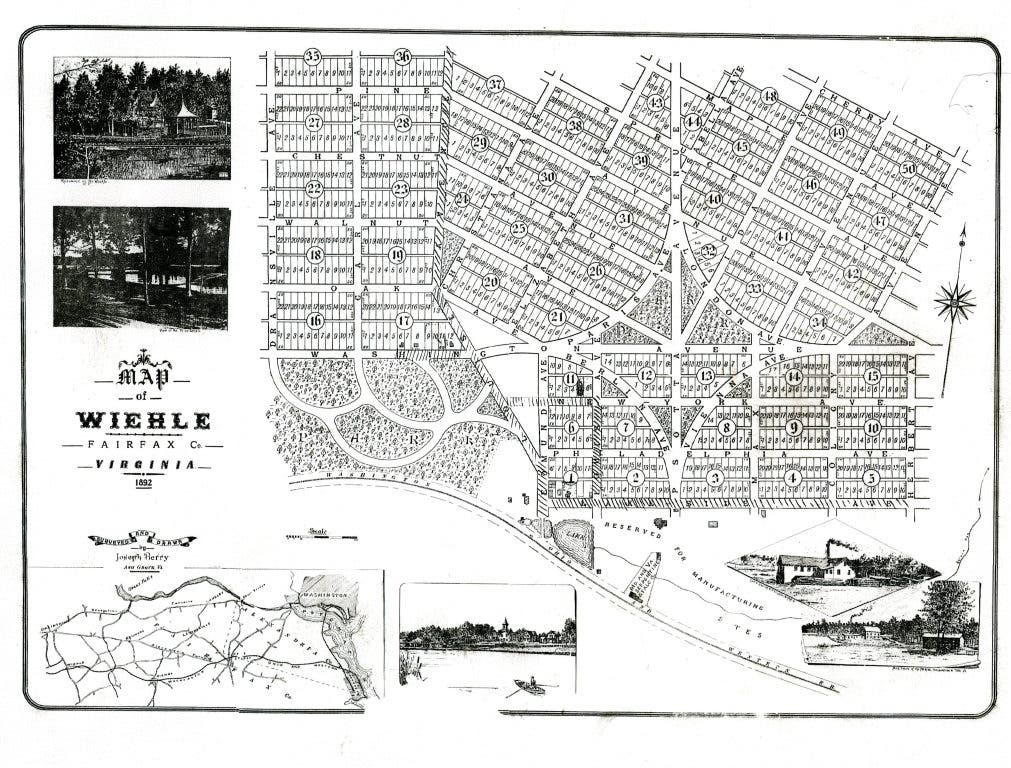
In the late 1800s, a German immigrant and businessman named C. A. Max Wiehle bought a large swath of farmland in western Fairfax County with an idea: build a self sufficient community that would carry his name. The “receipts” for this story live in the National Register nomination, which is worth reading if you like the details.
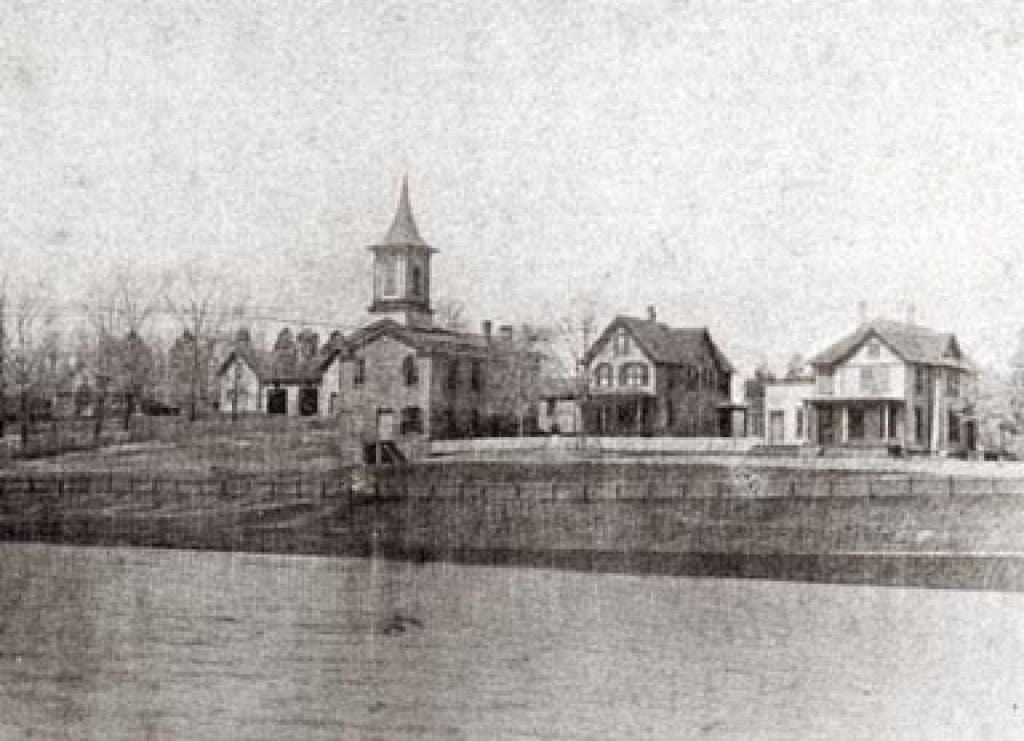
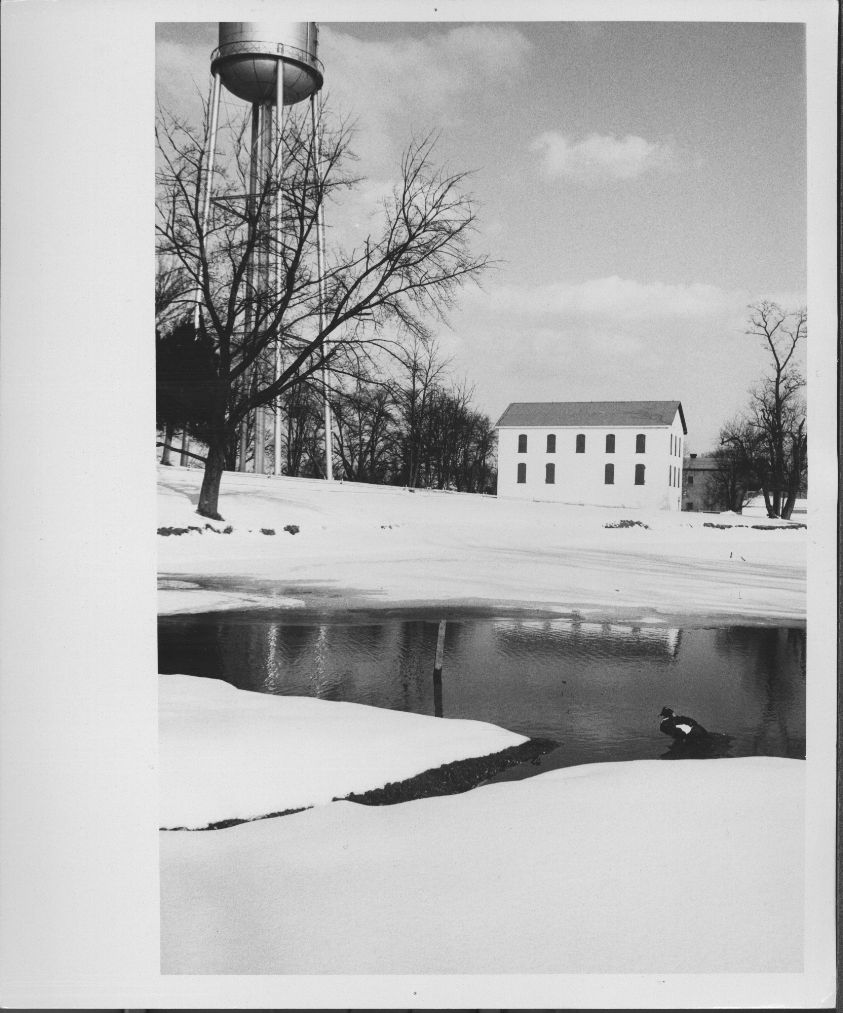
One of the most visible pieces of that plan was the town hall, built in 1892. It was a two story brick building, and it wasn’t just a government space. The first floor served as the town hall, and the second floor was used as a church. In a small community, civic life and community life often shared the same walls.
2) The town fades, but the building stays
Wiehle’s community struggled after his death in 1901. Over time, the town hall’s role changed. By 1909, it had become a single family residence, which is one of those details that makes the building feel more human than “museum piece.”
That matters because it tells you something about the building’s durability. It didn’t survive by being frozen in one use. It survived by being useful.
3) The Bowman era begins
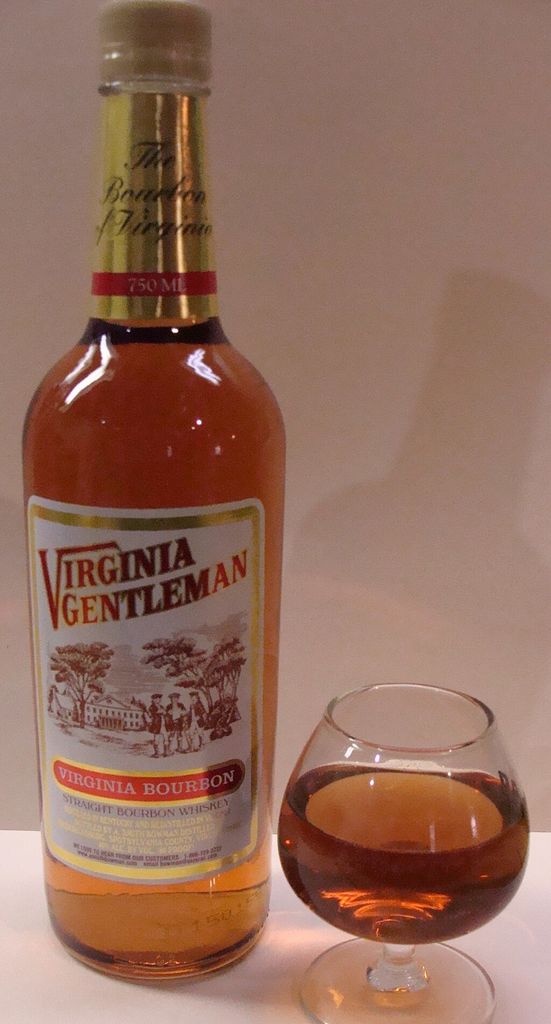
By the 1920s, A. Smith Bowman had purchased the area and used the surrounding land for a rural style of life that included fox hunts. Then, in 1934, right as Prohibition ended, the building was renovated again, this time as a distillery, and it took on the identity most locals recognize today. The official historic summary lays out the major phases clearly.
There’s a small but telling detail from historic accounts: the building originally had a heavy bell and a steeple, and those were removed because locals didn’t want a building tied to alcohol production to look like a church. It’s a reminder that this place has always sat at the intersection of community norms and changing times.
From its founding through the 1950s, the Bowman operation is widely described as the only legal whiskey distillery in Virginia.
“Wiehle” is not just a street name
If you live in Reston, you see Wiehle everywhere. Wiehle Avenue. The Metro station name. Businesses that use it in branding. It’s easy to assume it’s just a modern label that came with development.
But “Wiehle” was a real attempt at a planned community before Reston. The town hall building is one of the most tangible reminders of that era, because it predates the Reston master plan by decades. If you want the cleanest single source to point to for this, it’s the National Register nomination narrative.
That’s why this sale hits differently than a typical redevelopment story. It’s not just about square footage or a parcel. It’s about whether we keep a physical link to the pre Reston story or let it become an anecdote that only shows up in a paragraph online.
Historic status, and what that usually means in real life
The property is recognized as a historic landmark, which is a big deal, but it’s also easy to misunderstand. The plain-English summary is on the Virginia Department of Historic Resources listing.
Here’s the practical version:
A buyer should assume the exterior needs to be preserved in a way that respects the historic character. And if someone wants to do more than a light touch reuse, they should also assume there will be a process, not a quick flip, especially if the proposed use needs zoning relief or special approvals.
That combination is what makes this both exciting and complicated. It’s a chance to do something meaningful, but it’s not a blank canvas.
Zoning and approvals: the “vision” part has a process
When people hear “historic building for sale,” it’s natural to jump to ideas: coffee shop, boutique office, tasting room, small event space, local museum, something that brings it back to life.
The reality is that the use has to match what’s allowed, or it has to go through a process to become allowed.
If you want b-roll that visually communicates “this takes work,” Fairfax County’s mapping tools are perfect. Start with the Fairfax County Digital Map Viewer for clean map pages, and the county’s maps and geographic applications hub if you want to show land use and planning context.
In plain terms, this typically means:
Confirming the current zoning and what uses are permitted by right
Understanding parking requirements and access, which can be a major constraint in adaptive reuse
Coordinating with county staff early so you don’t design a concept that can’t be approved
Making sure the exterior preservation approach aligns with historic landmark expectations
If you’re a local resident watching this, here’s why that matters: the “best idea” isn’t always the one with the biggest imagination. It’s often the one that can actually clear the approvals path while still respecting the building.
What a great adaptive reuse could look like in Reston
The best versions of these projects share a few characteristics.
They keep the building recognizable from the street.
They make the history visible, not hidden behind a remodel.
They create a use that serves the neighborhood in a steady, low drama way.
They fit traffic and parking realities, because neighbors feel impacts first.
With that in mind, here are a few concepts that feel realistic for this kind of building, without pretending we know the exact constraints of the parcel.
A small café with a “history room”
Not a sprawling restaurant concept. Something modest, daytime focused, with a small corner that tells the story: Wiehle Town Hall, church upstairs, Prohibition ending, Bowman distilling on the property.
If you want this to feel local, it’s not about branded wall text. It’s about a few well chosen photos, a simple timeline, and the kind of place people can point to when friends visit and say, “This is older than Reston.”
Boutique office or studio space that keeps the character
A building like this can be ideal for a small firm, design studio, architect, boutique law office, or creative workspace that wants a distinctive address. The win for the community is that the exterior stays intact and maintained, while the building stays in use.
A small event space with tight boundaries
This one is tricky because event use can collide with parking, noise, and hours. But in a carefully limited form, it can work: small gatherings, community talks, local history events, and partner programming with local organizations.
The key is scale. The building’s charm comes from intimacy, not from being turned into a high volume destination.
A “Reston before Reston” interpretive spot
This would be the most mission driven idea. A small interpretive center that focuses on Wiehle, the Bowman era, and how the land evolved into Reston. It could be paired with limited office use or programmed events to make the economics work.
It’s not the easiest path, but it’s the clearest “preserve the story” concept.
Then vs now: the easiest way to show the change on screen
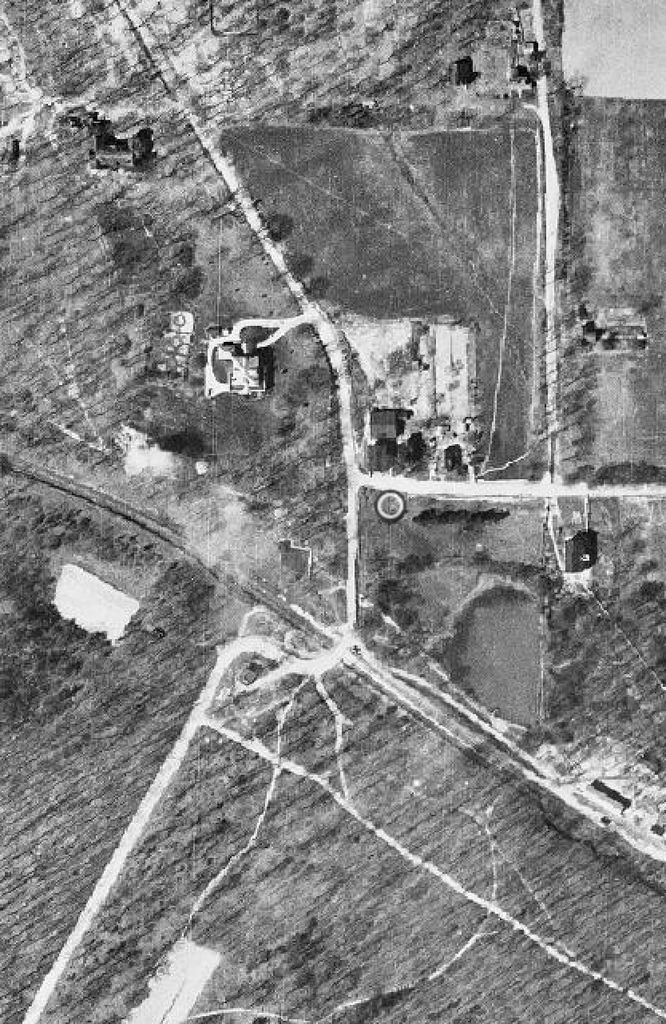
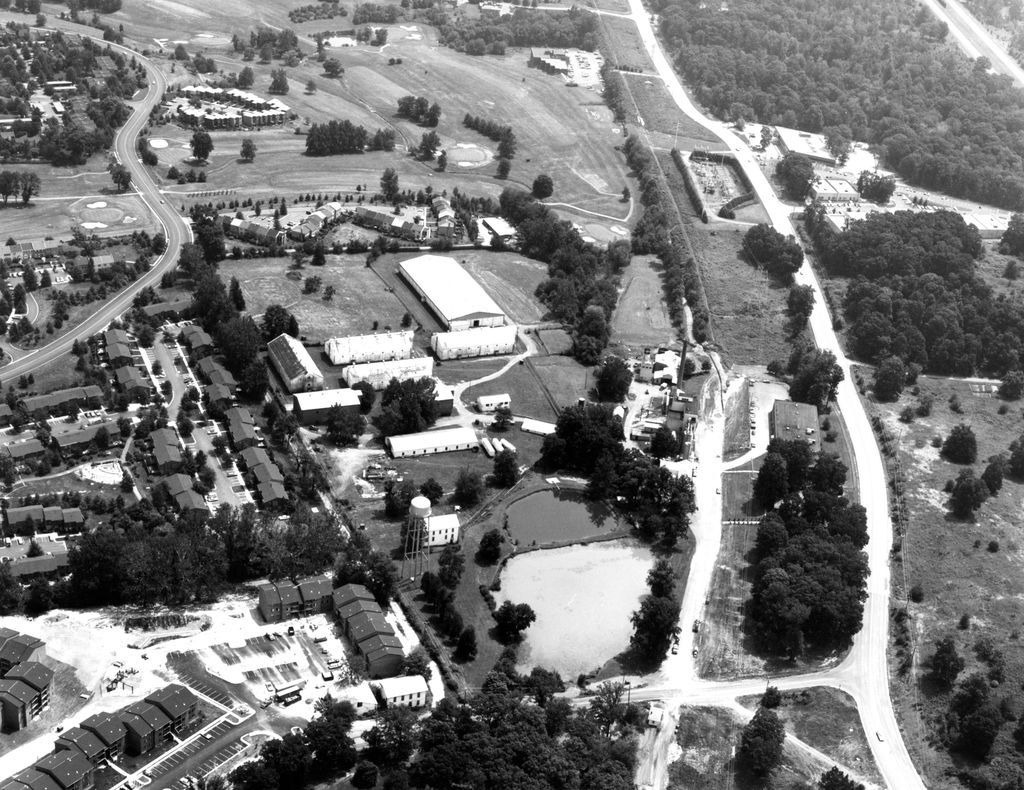
If you want a clean, compelling “Reston grew up around it” moment, the Fairfax County Historic Imagery Viewer is one of the best b-roll tools you can use. The swipe comparison makes it easy to show how quickly development filled in around an older landmark.
That visual does a lot of work without you having to explain every detail.
Why this matters for Reston, beyond the history
Historic landmarks do something subtle for a community’s identity. They anchor a place. They give it texture. They tell newcomers that the area didn’t begin when the first mixed use project opened.
From a real estate perspective, that identity matters. People choose Reston for a mix of things: trails, lakes, walkable pockets, commuter access, and the feeling that it’s a planned place with a point of view. A rare pre Reston landmark reinforces that the area has deeper roots than most people realize.
There’s also a simple quality of life angle: a preserved, thoughtfully reused building is usually better for neighbors than a neglected one. Vacancy tends to invite problems. Good stewardship tends to invite pride.
The Bowman name didn’t disappear. It moved south
One important piece of context: the distillery operation didn’t end with the Reston site. The A. Smith Bowman Distillery relocated to the Fredericksburg area in 1988, and it still operates there today.
If you want to connect the history to something you can actually visit, their current visitor details are on the A. Smith Bowman “Visit Us” page. If you want a quick third party overview for context, the Virginia Spirits listing is also helpful.
A simple timeline you can share
1886: C. A. Max Wiehle purchases farmland and plans a community
1892: Wiehle Town Hall is built (town hall downstairs, church upstairs)
1901: Wiehle dies, the town begins to struggle
1909: The building becomes a single family residence
1934: Renovated as a distillery after Prohibition ends; steeple and bell removed
Through the 1950s: Often described as the only legal whiskey distillery in Virginia
1988: Distillery operations relocate to the Fredericksburg area
Late 1990s: The building is formally recognized on state and national historic registers
What to watch next, as a neighbor
If you live nearby and you’re curious what this turns into, here are a few practical signals to watch for over time:
A buyer with a clear adaptive reuse track record
Early engagement with Fairfax County planning and zoning staff
A concept that matches parking and access realities
A plan that keeps the building’s exterior intact and recognizable
Communication that treats the site as a community asset, not just a project
Even if you’re not the kind of person who follows local land use news, this is one of those rare Reston stories that’s worth keeping an eye on, because the end result could become a small local landmark you actually use.
Closing thought
Reston has never been shy about change. It was designed to evolve. The question here isn’t whether this site will change, but whether it can change in a way that keeps the building’s identity intact.
If a buyer can respect the historic exterior, navigate zoning correctly, and land on a use that feels genuinely Reston, we could end up with something rare: a living piece of “before Reston” history that’s still part of everyday life.
Check out this article next